

How to Become a Travel Photographer: The Complete Guide
Steps to Becoming an accomplished Travel Photographer
Travel photographers work extremely hard to secure gigs and earn enough income to cover their expenses. In today’s world, where photography is more accessible than ever, standing out can be difficult. But if you’re confident you have what it takes, the following steps will help you get started on your journey.
1. Understand Your Camera
It may sound obvious, but you’d be surprised at how many aspiring photographers don’t fully explore all the features of their cameras. Watching tutorials online can help, but hands-on practice is essential.
Take photos of the same subject using different settings to see how they impact the final image. This way, when you’re out in the field, you’ll be prepared to capture the shots you want without wasting time adjusting settings while the perfect lighting fades away.

2. Practice to Perfect your Art
If you’re truly committed to building a career in travel photography, consistent practice is vital. Get familiar with your camera from top to bottom. You don’t need an expensive, high-end camera to understand light and composition. Keep practicing until your skills are refined both technically and creatively.
Competition is intense, and you’ll need to perform at your very best to succeed. So how do you practice? It’s easier than you may think.
Think about the town you live in. If a visitor asked you where the best photo spots are, where would you take them? Where do you usually take friends when they come to visit?
These places are perfect for sharpening your photography skills. Whether you’re shooting breathtaking landscapes or lively street scenes, both are essential aspects of travel photography. Experiment with different lighting and angles, getting yourself ready for the challenges of shooting while on the move.
3. Search for Locations in Advance

When you know your destination, it’s important to research the locations you intend to photograph. Browse social media and the web for common images from the area, then push yourself to capture the scene in a fresh and unique way.
Think about shooting from a different angle or at an alternative time of day. How can you create an image that stands apart from the usual shots? Sometimes it’s as simple as adjusting your perspective—such as shooting from the left instead of the right like most people—or spotting a reflection in a fountain for a more creative composition.
Doing some advance scouting will also help you stay organised, enabling you to plan where to stay in relation to your preferred shooting locations. In addition, thinking ahead about the shots you want will help you select the right gear.
4. Be Adventures and Explore Deep
Sometimes, the most exciting scenes for photos and adventure aren’t indicated on any map. Be willing to step off the beaten path and explore lesser-known areas around your destination. You never know when you might come across a charming village that offers incredible photo opportunities. This also applies within your location—visiting local shops or restaurants away from the main streets can lead to some great people photography.
Ask locals about their favourite hidden gems for both exploring and photography. Their recommendations often won’t show up in online searches but can lead to amazing finds. Most locals are happy to share their advice, especially when they see you value their perspective.
If the region speaks a different language, try to learn a few key phrases—especially how to ask for photography spots. Even if your pronunciation isn’t perfect, locals will appreciate the effort and are more likely to share helpful tips.
5. Choose the Right Equipment

When traveling as a photographer, choosing the right gear is essential. You need to strike a balance between bringing enough equipment and keeping things light and easy to carry. Here’s a checklist of key items to pack:
Camera body
Lenses (including flexible options like zoom and prime)
Tripod (compact and lightweight)
Polarizing filter (to enhance colours)
Batteries (plus extras)
Charging cords
Memory cards (with backups)
A durable camera bag (for organisation and easy transport)
Lenses for Versatility
The lens you select will depend on the type of photography you plan to shoot. A versatile option like the Canon EF 24-70mm f/2.8L II USM Standard Zoom Lens is an excellent all-purpose lens. It works well for action shots, performs reliably in low light, and offers manual focus control. Alternatively, the Canon EF 50mm f/1.8 STM is a widely used and affordable choice known for its sharpness, making it ideal for portraits and everyday photography.
For many travel photographers, a 50mm prime lens (or 35mm for APS-C sensors) is a must-have. Its sharpness and simplicity allow you to capture spontaneous, in-the-moment shots without the distraction of zooming, making it a favourite for documenting real-life moments.
Lightweight Tripods
When selecting a tripod, opt for something compact and lightweight. A portable tripod makes it easier to carry on long hikes or mountain climbs without adding unnecessary weight.
Backup Essentials: Batteries and Memory Cards
Always bring extra batteries and memory cards. You might think you have enough, but photography sessions—especially when shooting high-resolution images or videos—can drain both power and storage faster than expected. Even if you plan to charge your gear each night, it’s smart to carry backups so you don’t miss important shots.
Universal Plug Adapter
Many camera setups and battery chargers are dual voltage, but it’s still advisable to carry a universal plug adapter for different outlet types. This small, lightweight accessory ensures you can charge your gear wherever you travel.
Polarizing Filter
A polarizing filter is a valuable addition, particularly in bright, sunny conditions. It helps reduce glare and enhances colours in landscapes, such as deep blue skies and the rich tones of lakes and oceans. They’re compact, affordable, and can make a noticeable difference in your images.
The Camera Bag
Your camera bag is a crucial piece of equipment. It should hold all your gear securely, offer proper protection, and include compartments for organisation. A quality bag will help you stay efficient and prepared while on the move. Look for one that provides a good balance between storage capacity, comfort, and portability.
Packing the right gear will ensure you’re ready to capture stunning images while traveling without being burdened by unnecessary equipment.
6. Master the Art of Pre-focusing
 Pre-focusing is a powerful technique in photography, especially for street and wildlife photographers who need to capture fast-moving subjects or spontaneous moments. This approach involves manually focusing on a specific point in your frame ahead of time, anticipating when your subject will enter that space. It allows you to compose your shot in advance and then wait for the perfect moment to press the shutter, ensuring you capture the image at exactly the right instant.
By pre-focusing, you remove the need for your camera to autofocus at the last second, which can be slow or inaccurate in certain situations. This method is particularly useful when photographing moving subjects, such as a cyclist on a busy street or an animal in the wild. The key is to anticipate the movement and prepare your shot so you can capture the moment as it unfolds—often within seconds.
Some tips to help you learn how to Pre-focus
To pre-focus, switch your camera to manual focus mode and choose a point where you expect the action to happen. Focus on that area, then frame your shot around it. Once your subject enters the scene, all you need to do is press the shutter button to take the photo.
For example, if you’re shooting a busy street and want to capture a pedestrian walking through a certain part of the frame, you would pre-focus on that spot and wait for the right subject to pass by. This way, you don’t have to depend on your camera’s autofocus to keep up, which may struggle in low-light or fast-moving conditions.
Advantages of Pre-focusing
Faster response: Pre-focusing allows you to react quickly to fleeting moments, reducing the delay in capturing the shot.
Sharper images: By removing the need for autofocus, you lower the chances of blurry images, especially in unpredictable environments.
Discreet photography: Since you’re not constantly adjusting focus and composing on the spot, you can remain unobtrusive, which is essential in genres like street photography.
Using Pre-focusing in Street Photography
Street photography, in particular, benefits greatly from pre-focusing because it helps the photographer blend into the surroundings and capture candid moments. You’ll often want to take photos without drawing attention or interrupting the scene. By pre-focusing on an area where interesting activity is happening, you can be ready to capture a shot the moment something meaningful occurs, like a child chasing a ball or an elderly couple crossing the street.
The legendary street photographer Henri Cartier-Bresson was a master of this technique. Known for capturing candid and unposed moments, he often pre-focused his Leica camera, allowing him to respond quickly to unfolding scenes. Cartier-Bresson even went as far as painting the shiny metallic parts of his camera black to avoid attracting attention, helping him blend in and capture natural, authentic moments. His approach was about being present yet invisible—waiting for the right subject to enter the frame and clicking without hesitation.
Perfecting Pre-focus for Portraits and Wildlife
Pre-focusing is also valuable in portrait and wildlife photography, where subjects can be unpredictable or constantly moving. For portraits, you can pre-focus on the position where you expect your subject to stand, allowing you to focus on capturing expressions and emotions rather than worrying about focus. In wildlife photography, pre-focusing on a perch, waterhole, or path where animals frequently appear can result in a sharp, well-timed image when the action occurs.
Learning how to pre-focus gives you greater control over your photography, helping you capture those once-in-a-lifetime moments with accuracy and speed. It’s a simple yet highly effective skill that can make all the difference in getting the perfect shot.
7. Leverage AI Tools to Elevate Your Photography
Artificial intelligence has quietly become one of the most powerful allies a travel photographer can have. Whether you’re planning a shoot, editing images, or trying to grow your audience, AI-powered tools can save you time, sharpen your results, and help you work smarter—especially when you’re on the road with limited resources.
Here’s how you can integrate AI into your travel photography workflow:
AI-Powered Photo Editing
Post-processing is one of the most time-intensive parts of travel photography, but AI has dramatically changed that. Tools like Adobe Lightroom’s AI Masking, Luminar Neo, and Topaz Photo AI can automatically enhance lighting, remove unwanted objects, reduce noise in low-light shots, and even upscale images to higher resolutions. Tasks that once took hours can now be completed in minutes, freeing you up to focus on what you love most—capturing new images.
Action Tip: Use Lightroom’s AI-powered “Denoise” feature on photos taken during golden hour or at night, where noise can be a real challenge. The results are often cleaner than traditional manual techniques.
AI for Location Scouting and Planning
Before you even pack your bags, AI can help you plan more effectively. Tools like PhotoPills and Sun Surveyor use intelligent mapping to show you exactly where the sun or moon will rise and set at any location on Earth. You can use this data to plan your shoots around the best natural lighting, removing much of the guesswork that comes with shooting in unfamiliar locations.
Action Tip: Use an AI-driven planning app to identify the precise moment golden hour will peak at your destination. Combine this with Google Earth’s 3D view to pre-visualise your composition before you arrive.
AI Chatbots as Your Research Assistant
AI assistants like ChatGPT or Claude can act as a knowledgeable travel companion. Need to know the best photography spots in a city you’ve never visited? Want a list of local festivals happening during your trip? Looking for the right phrases to use when asking locals if you can photograph them? An AI chatbot can answer all of this in seconds, saving you hours of research.
Action Tip: Before a trip, prompt an AI tool with something like: *”I’m a travel photographer visiting Marrakech for five days. Suggest a daily shooting itinerary covering landscapes, street photography, and culture, with the best times of day for each.”* You’ll be surprised at how detailed and useful the response can be.
AI-Driven Captioning and SEO
Writing compelling captions and keywords for your photos—especially when selling on stock platforms—can be surprisingly tedious. AI writing tools can generate keyword-rich descriptions, Instagram captions, and even full blog posts based on your images or a brief prompt. This is particularly helpful when managing a large volume of shots after a long trip.
Action Tip: After uploading a batch of photos to a stock platform, use an AI tool to generate relevant tags and descriptions. The better your metadata, the more discoverable your images will be to potential buyers.
AI won’t replace your creativity, instinct, or the lived experience of traveling the world—but it can make every other part of the job significantly easier. Think of it as a smart assistant that handles the time-consuming tasks, so you can concentrate on what only you can do: being in the right place, at the right time, with your camera ready.
8. Promote and Sell Your Travel Photos

Selling your travel photos can be both rewarding and challenging. It’s not just about capturing stunning images but also knowing how to market them effectively to the right audience. With the right strategy, you can turn your passion into a source of income, whether through stock photography, selling prints, or collaborating with brands.
Here’s a detailed guide to help you promote and sell your travel photos:
1. Build an Impressive Portfolio
Before attempting to sell your photos, ensure you have a carefully curated portfolio of your best work. A professional-looking and well-organized portfolio is essential for attracting clients, potential buyers, or gallery curators. It provides viewers with a clear sense of your style and the type of images they can expect from you.
Action Tip: Select a variety of images that showcase your versatility—landscapes, portraits, cultural shots, wildlife, and architecture. Organize them by themes or locations.
Bonus: Include a blog or behind-the-scenes content to add context to your photography and share the stories behind your images.
2. Utilize Stock Photography Platforms
Stock photography is a popular way for travel photographers to monetize their work. Platforms like Shutterstock, Adobe Stock, and Getty Images let you upload and license your photos to a worldwide audience. You earn royalties each time someone purchases or downloads your image.
Action Tip: Research which types of travel images perform well on stock photography sites. Look for gaps in the market, such as unique destinations or lesser-known landmarks, and upload high-quality, well-composed images.
Bonus: Use keywords and detailed descriptions to make your photos easier to find. Include information like location, weather conditions, and the subjects in the image.
3. Sell Prints Online
There’s a strong market for physical prints of travel photography, particularly for home décor and office spaces. You can sell prints through platforms like Etsy, SmugMug, or Fine Art America, or even set up your own e-commerce site.
Action Tip: Offer various print sizes and formats, such as framed prints, canvas wraps, or digital downloads. Include professional mock-ups to help buyers visualize how the prints will look on their walls.
Bonus: Offer limited edition prints to create exclusivity and enhance their perceived value.
4. Pitch to Travel Magazines and Blogs
Travel publications are always on the lookout for fresh, high-quality imagery. Reach out to editors of travel magazines, newspapers, and online travel blogs with a pitch and a sample of your work. Many travel websites also welcome guest photographers contributing visual content.
Action Tip: Research publications that match your photography style. When pitching, clearly explain how your photos align with their editorial style, and include a small selection of images tailored to their needs.
Bonus: Offer to write accompanying articles or travel guides to complement your photography, making your pitch more attractive to editors.
9. Building Up Your Travel Photography Portfolio
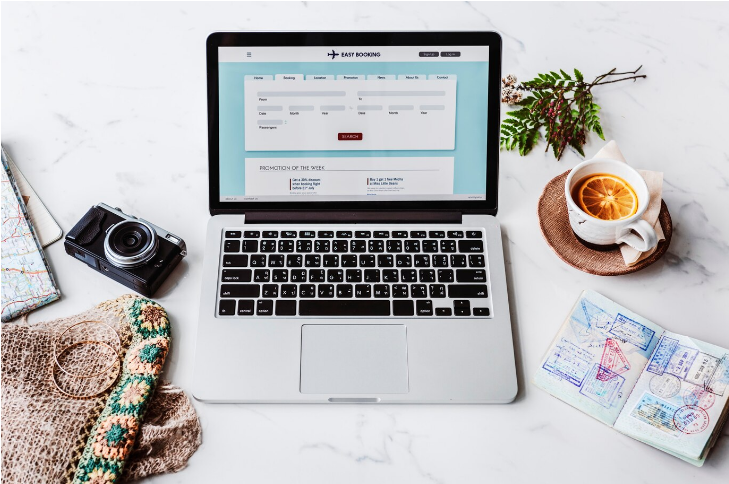
Creating a strong travel photography portfolio is key to presenting your skills, style, and range. It serves as your calling card—what potential clients, agencies, and even followers will review when deciding whether to collaborate with you or follow your journey. A thoughtfully curated portfolio showcases your finest work and proves your ability to capture a variety of settings and subjects, from lively city scenes to peaceful landscapes.
Below is a step-by-step guide to help you develop an outstanding travel photography portfolio.
Step 1: Define Your Niche
Before diving in, it’s important to pinpoint your niche within travel photography. Do you want to concentrate on landscapes, wildlife, street photography, or cultural portraits? You might choose to specialize in a particular region, such as tropical coastlines or historic destinations. Having a clear niche shapes your style and makes your portfolio more focused and cohesive.
Example niches: Adventure travel, urban exploration, food and culture, wildlife photography, landscapes, or luxury travel.
Step 2: Capture Diverse Locations and Subjects
An excellent travel photography portfolio shows your ability to shoot a variety of subjects across different environments. When you travel, aim to go beyond the typical tourist attractions. Photograph hidden spots, candid interactions, and different aspects of local life, including architecture, cuisine, and festivals. Demonstrate your versatility by including both sweeping landscapes and close-up details of people or objects.
Action Tip: Whenever you visit a new place, prepare a shot list that covers major landmarks, daily life scenes, local dishes, and portraits. This ensures a balanced and varied portfolio.
Step 3: Focus on Quality Over Quantity
When assembling your portfolio, remember that less is more. Rather than presenting hundreds of photos, select 15–30 of your strongest images that truly reflect your abilities. Pick photos that are sharp, well-framed, and visually engaging. Keep in mind that your portfolio represents your professionalism, so every image should reflect your highest standard.
Action Tip: Review your images carefully and remove any that don’t meet your desired level of quality. Only include shots you’re genuinely proud of.
Step 4: Tell a Story with Your Photos
Your portfolio should feel like a visual narrative. As you curate your images, consider how they can be arranged to convey a story. Organize similar themes or destinations together, and include a blend of wide shots, medium shots, and close-ups. This allows viewers to experience the journey you’ve documented and feel immersed in each setting.
Action Tip: Build mini-collections or series that highlight specific trips, such as “Exploring Southeast Asia” or “Cultural Festivals Around the World.”
Step 5: Edit and Polish Your Work
Editing plays a crucial role in travel photography. A well-edited image can elevate the overall look of your portfolio. Use tools like Adobe Lightroom or Photoshop to enhance colors, adjust lighting, and refine details. Consistent editing across your portfolio creates a unified style and gives it a clean, professional finish.
Action Tip: Develop a signature editing approach, whether it’s bold colors, soft tones, or monochrome. This helps establish a recognizable aesthetic.
Step 6: Create a Professional Portfolio Website
In today’s digital world, having an online portfolio is essential. A professional website provides a polished space to display your work and makes it easy for potential clients to explore your images. Choose platforms like Squarespace, Wix, or WordPress that let you present your work in a simple, user-friendly format. Keep the design minimal so your photos remain the main focus.
Key Elements of Your Portfolio Site:
Home page featuring a few standout images.
About page with a short bio and your unique photography approach.
Contact page with an easy way for clients to reach you.
Galleries arranged by location, theme, or niche.
Step 7: Include a Strong “About Me” Section
Your portfolio isn’t only about your photos—it’s also about you. The “About Me” section is where you introduce yourself, share your background, and explain what fuels your passion for travel photography. This is your chance to connect with potential clients on a personal level and offer insight into your creative process.
Action Tip: Write a concise bio that shares your journey, your love for travel, and why you enjoy capturing the world through your lens. Stay genuine and approachable.
Step 8: Seek Feedback and Refine
After building your portfolio, it’s important to gather feedback. Ask fellow photographers, mentors, or even friends for their perspective. Are there any weak areas? Does the sequence feel natural? Feedback helps you refine your work and strengthen your overall presentation.
Action Tip: Regularly review and refresh your portfolio with new content. Remove outdated or less relevant images and replace them as your skills improve.
Step 9: Promote Your Portfolio
Once your portfolio is ready, it’s time to share it! Promote it across social media platforms like Instagram, Facebook, and LinkedIn. Engage with other photographers, travelers, and industry influencers to boost your visibility. You can also reach out to potential clients, agencies, or travel brands and present your portfolio as evidence of your expertise.
Action Tip: Set up a professional Instagram account to showcase your best work and include your portfolio link in your bio. Join travel photography communities to network and gain exposure.
Step 10: Keep Expanding Your Portfolio
A portfolio is never truly complete. As you grow as a photographer, your portfolio should grow with you. Continue exploring new destinations, experiences, and techniques to enhance your work. The more you practice, the stronger and more diverse your portfolio will become.
Action Tip: Plan trips specifically for building your portfolio, where your main goal is capturing high-quality, portfolio-worthy images.
Building a travel photography portfolio requires time, effort, and commitment. By defining your niche, prioritizing quality, and crafting a compelling visual story, you can create a portfolio that not only highlights your abilities but also opens doors to new opportunities. Whether your goal is to attract clients, collaborate with travel brands, or simply share your passion, your portfolio is your gateway to making a lasting impression. Here is a step by step guide on how to set up a travel blog.
10. Build a Social Media Presence rather than a Website

If building a full website isn’t part of your immediate plan or budget, you can still showcase your work effectively through social media platforms. Many successful travel photographers rely on platforms like Instagram, Pinterest, or even YouTube to curate their portfolios and grow an audience. These platforms let you reach a global audience quickly, and their visual-first nature makes them ideal for displaying travel photography.
Here’s how you can leverage social media to build your travel photography portfolio:
1. Instagram Portfolio
Instagram is one of the top platforms for photographers because of its image-focused layout. You can organize your travel photography portfolio by curating your posts, using targeted hashtags, and creating story highlights for different places or themes.
Action Tip: Maintain a consistent look by applying similar editing styles across your photos. Use Instagram’s grid to create visual narratives, and sort highlights by country, city, or photography style.
Bonus: Use “carousel posts” to showcase multiple images in one post, giving you a mini gallery experience.
2. Pinterest
Pinterest is another powerful platform for travel photography. As a visual search engine, many users turn to it for travel inspiration, making it a great space to present your work.
Action Tip: Create themed boards for each destination or photography category, such as “Urban Adventures,” “Nature Escapes,” or “Cultural Portraits.” You can also add behind-the-scenes insights and link them to your images for stronger storytelling.
Bonus: Pinterest’s sharing feature allows your work to spread organically through pins.
3. YouTube
If you’re interested in travel vlogging, YouTube is an excellent platform to showcase not just your photos but the story behind them. You can create videos or slideshows of your portfolio, explain your process, and share tips with aspiring photographers.
Action Tip: Start a travel photography vlog where you document your shoots and give viewers a glimpse into how you capture each image. You can also create “portfolio walkthroughs” where you talk about your favorite shots and what inspired them.
Bonus: YouTube’s longer format allows you to tell more detailed stories about your experiences on location.
4. Behance or 500px
For a more professional, photography-focused audience, platforms like Behance or 500px can act as your online portfolio. They allow you to present high-quality images in a clean, minimalist format without the need to build a full website.
Action Tip: Use Behance for detailed photography projects where you can explain each series and its story, while 500px works well for showcasing individual images and gaining recognition within the photography community.
Bonus: Both platforms have active communities that can help you connect with other professionals or potential clients.
5. Flickr
Flickr remains a popular choice among photographers thanks to its high-quality image support and active community. You can create albums for different trips or projects, share your work in relevant groups, and gain exposure from other photographers and potential clients.
Action Tip: Organize your photos into clearly labeled albums based on destinations or themes, and engage with Flickr groups to boost visibility.
Bonus: Flickr’s licensing options can give you opportunities to sell your images to clients or stock platforms.
11. Register Your Business and Obtain General Liability Insurance
Registering Your Photography Business
If you haven’t officially registered your travel photography business yet, now is the time to take this essential step. Proper registration establishes your business as a legal entity and helps build trust and credibility with clients. Here’s how to get started:
Choose Your Business Structure: Decide on the legal structure that suits your needs. Common options include sole proprietorship, limited liability company (LLC), or corporation. Each comes with different tax responsibilities and liability protections, so consulting a legal or financial expert can be helpful.
Select a Business Name: Pick a name that reflects your brand and services. Make sure it’s unique and not already in use. A strong, memorable name can help you stand out in the competitive travel photography space.
Register Your Business Name: Once you’ve chosen a name, register it with the appropriate local or state authorities. This may involve filing a “Doing Business As” (DBA) if you’re operating under a name different from your legal one.
Obtain Necessary Licenses and Permits: Look into any licenses or permits required to operate legally in your area. This could include a business license, tax permits, or permits for shooting in certain public locations.
Get an Employer Identification Number (EIN): If you plan to hire staff or operate as an LLC or corporation, apply for an EIN through the IRS. This number is required for tax purposes.
Securing General Liability Insurance
Travel photography often comes with unpredictable situations and potential risks. To safeguard yourself and your business, obtaining General Liability insurance is important. Here’s what to understand:
Understanding General Liability Insurance: This insurance covers claims related to bodily injury, property damage, or personal injury that may occur during your work. For example, if someone gets injured during a shoot, it can help cover legal and medical costs.
Research Insurance Providers: Compare providers that offer coverage tailored to photographers. Look for policies that specifically support travel photography for better protection.
Assess Your Coverage Needs: Consider the size of your business, the type of work you do, and the locations you operate in. This will help determine the level of coverage you need. Discuss your situation with an agent to customize your policy.
Obtain a Certificate of Insurance: After securing coverage, request a Certificate of Insurance (COI). This serves as proof of your policy and may be required by clients or venues.
Stay Updated on Your Policy: Review your insurance regularly to ensure it still meets your needs. As your business grows or changes, you may need to adjust your coverage.
By registering your business and securing General Liability insurance, you lay a strong foundation for your travel photography career, protecting yourself from unexpected risks while focusing on capturing great images.
Bonus tips for a successful Travel Photography journey
Here are some key tips for capturing compelling and distinctive travel photos:
Pack Light, Dress Smart:
Choose clothing suited for different terrains and weather conditions, but avoid overpacking. Wear comfortable shoes for walking and steer clear of loud or distracting outfits if you’ll appear in your shots.
Embrace All Weather:
Different weather conditions can enhance your photos. Cloudy skies soften light, while rain or snow can create unique opportunities like reflections or detailed macro shots.
Use Burst Mode:
When photographing motion, such as wildlife, burst mode helps you capture the perfect frame. It’s also useful for getting the best group shots.
Experiment with Composition:
Try shooting from various angles and perspectives. Some of the most striking images come from unconventional viewpoints, like ground-level shots.
Focus on Small Details:
Beyond major landmarks, capture smaller elements like flowers, textures, architectural details, or street vendors. These add richness to your storytelling.
Keep Your Camera Ready:
Be prepared for spontaneous moments. Keep your camera accessible with charged batteries and enough memory space.
Find the Best Light:
Make the most of golden hour during sunrise or sunset for soft, warm lighting. During the day, use shade or creatively work with direct sunlight for dramatic effects.
Mix Landscape and Portrait Shots:
Switch between landscape orientation for wide scenes and portrait orientation for vertical subjects to add variety to your collection.
Include People:
Adding locals or travelers brings life and context to your images, offering a deeper cultural perspective.
Capture the Unseen:
Look beyond popular attractions and focus on hidden spots like quiet streets or local cafés to reveal the true character of a place.
Use Creative Framing:
Experiment with framing techniques to create unique compositions that reflect your personal style.
Pay Attention to Design:
Use leading lines, patterns, and architectural elements to add structure and depth to your images. Both natural and built environments offer strong visual opportunities.
By applying these tips, you’ll be able to create travel photos that not only showcase a destination’s beauty but also tell a meaningful story.
Conclusion
Becoming a travel photographer is a fulfilling journey that blends your love for photography with the excitement of exploration. By sharpening your skills, investing in the right equipment, building a strong portfolio, and understanding the business side, you can turn your passion into a career. Stay consistent, embrace challenges, and let your unique perspective shine through your work. The world is ready for you to capture its beauty—one photo at a time.


